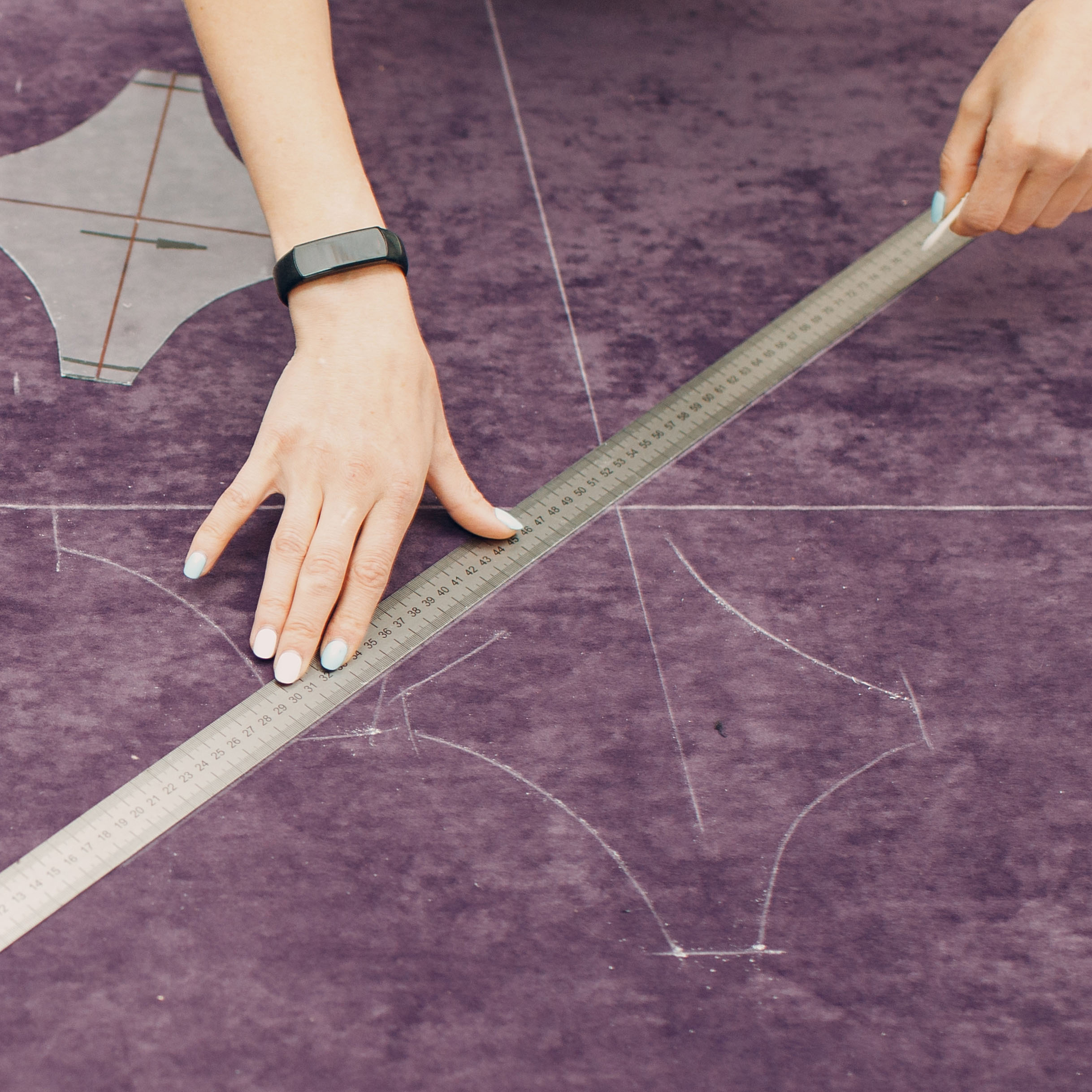
Custom or industrial Interior Design?

WHICH ONE IS BEST FOR YOU
Each environment has specific characteristics and each owner has personal needs.
This is why the same space that belonged to different people may have taken on an appearance over time that makes it unrecognizable in the eyes of the other. It all depends on how it has been used.

Custom Interior Design: what it is and what it consists of

Designing custom furniture elements allows for the creation of furniture and accessories that enrich spaces while making the most of their potential in terms of functionality and use.
With bespoke design, there are no unused gaps or unexploitable walls. Every relevant element of a space, whether structural like a pillar, functional like a door or decorative like a fresco, can become an integral part of the furniture and with it disappear or be enhanced.
An example? A large entrance hall with two access doors to the kitchen and sleeping area, and the need to store books, dishes, coats, and bags. The creation of two matching pieces of furniture, apparently two bookcases with open shelves interspersed with doors of various sizes, solved this large space by giving it an aesthetic and functional connotation.

My method: first, it is important to take detailed measurements of the room to be transformed, grasp the client's specific needs, and define the furniture to be designed.
Once the final solution is identified, with drawings, photo-insertions and 3D views, at least two quotes are requested from experienced craftsmen. We then move on to the executive design phase, study the details and choose materials and finishes in collaboration with the chosen craftsman. During the implementation I check the construction stages with inspections at the craftsman's workshop. The work concludes with on-site assembly, carried out by the craftsman, according to my instructions.
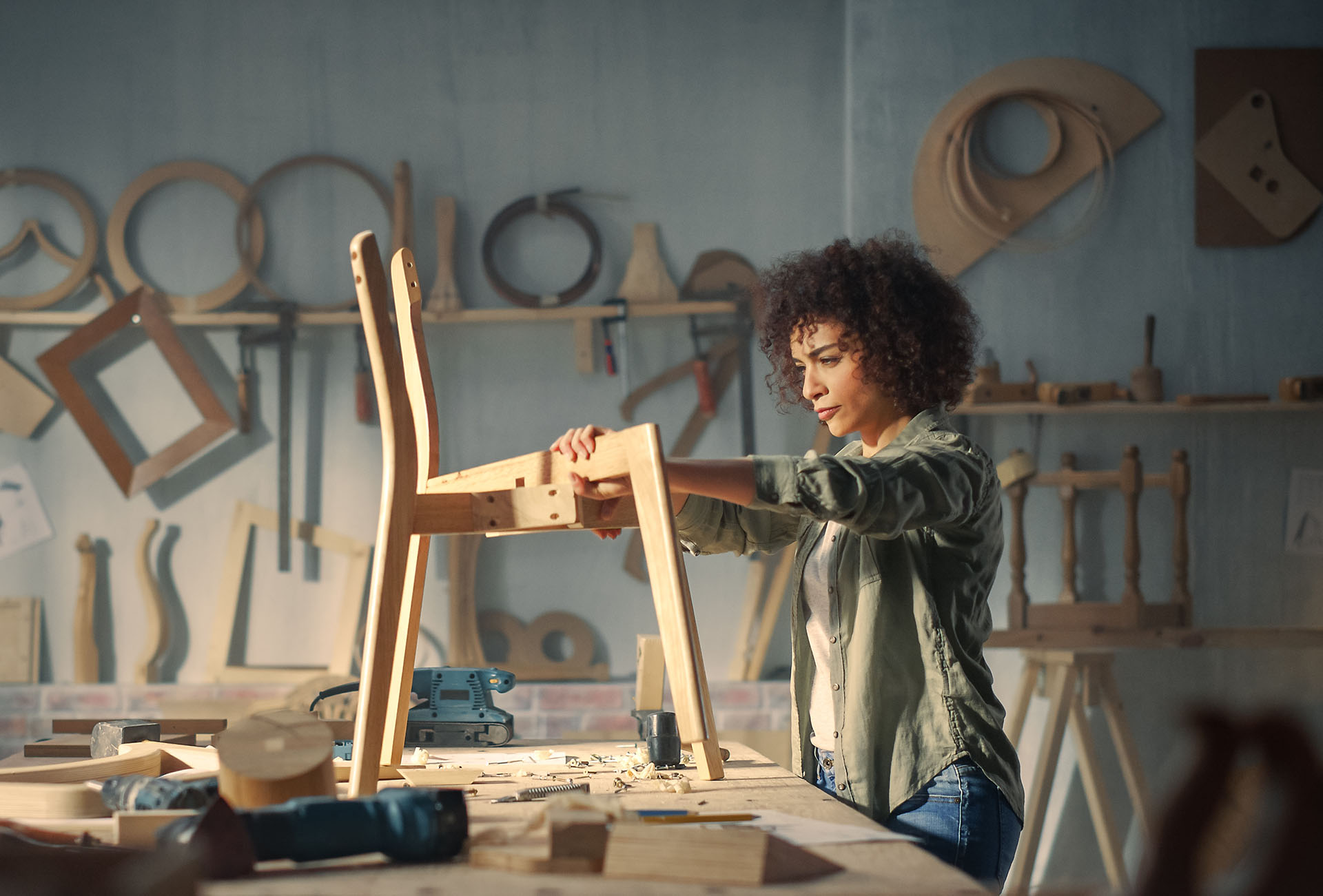
Over the years, I have been able to experiment with custom fabrication of storage furniture for dining rooms, entryways and kitchens, bar furniture and TV furniture for living rooms, sofas, bookcases, tables, chairs, bed heads, desks, cabinets of various sizes, bathroom furniture, chandeliers, handles, decorative frames...
The advantage in choosing custom-made furniture is definitely getting what the customer needs. Moreover, the item made is definitely a unique piece because it is designed and created for that customer and for that precise space.
The disadvantage might be the final cost, understood as the total to be paid, only when compared to a mid-level industrial production. If we compare the cost of a custom-made furniture item with a similar high-end or branded industrial production item, the cost aligns and can sometimes be even lower.
Not to be confused with the concept of price/quality ratio because it is very difficult to find items on the market that exactly reflect the customer's wishes and the exact size with the measurements available. So price/quality ratio is definitely to be considered as an advantage.
Regarding timing, it is unknown and it must be seen on a case-by-case basis.
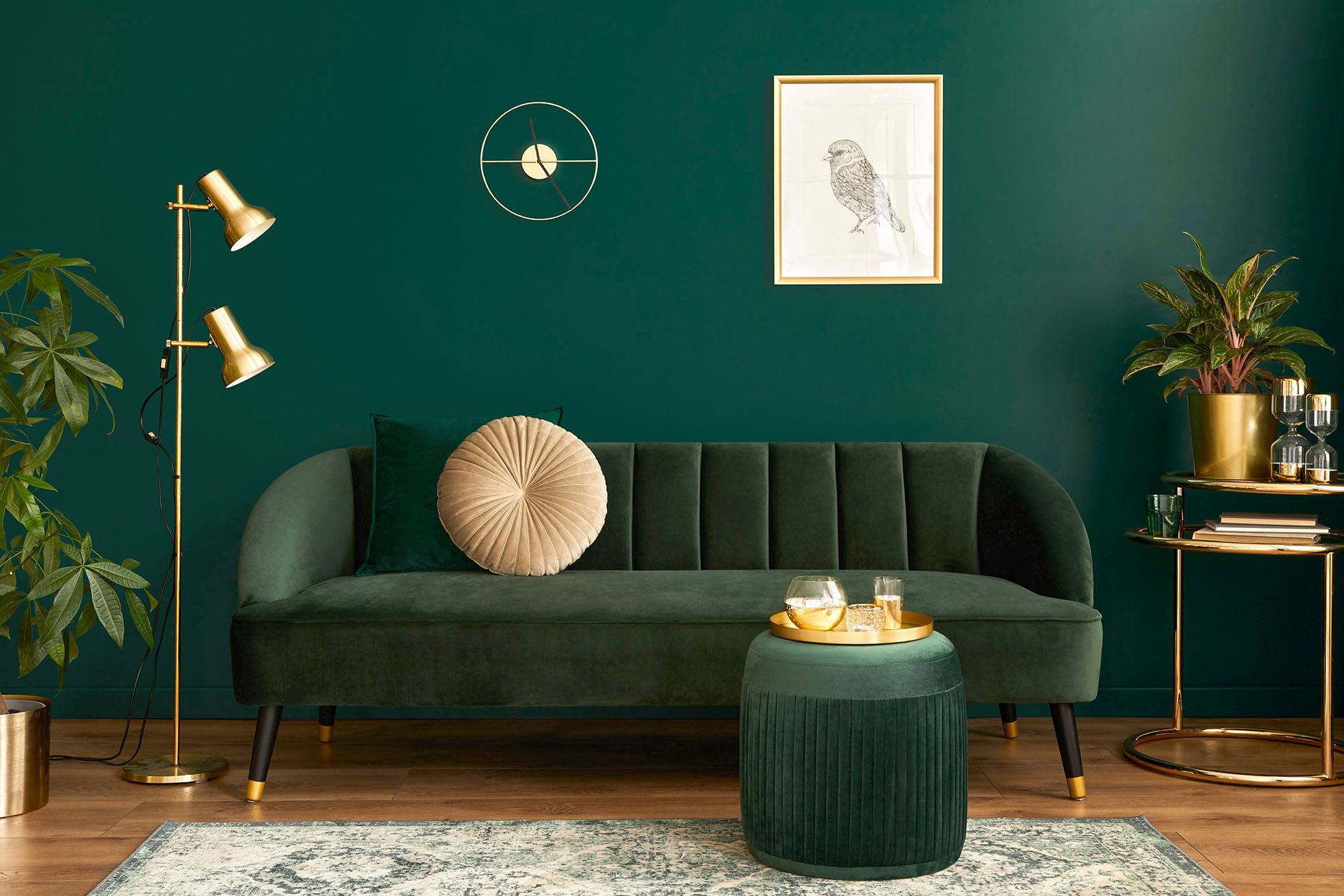
Industrial Interior Design

Interior Design has a history that began in the early 1900s and developed over time, following the trends of cultural movements, the experimentation of production companies and the creativity of artists.
Currently on the market coexist furniture complements considered design icons (signed by artists and production houses that have marked the history of design and are world-renowned) with complements conceived by young designers and produced by companies linked to territory and innovation.
In the project of furnishing a space, when a client is looking, as an end result, for a recognizable sign, trendy, related to the fashion of the moment, industrial production furniture is definitely the winning choice. It will then be the client's available budget that will direct the Interior Designer to the company that best meets his specific needs.

My method: first it is important to take detailed measurements of the room to be transformed, define the client's goals and determine the type of furniture to be purchased.
Having identified the final solution with drawings, photo-insertions and 3D views, I begin the search among the furniture complements available on the market, according to the project to be realized, ranging among various companies.
With the drafting of at least two lists of products to compare, I then move on to the execution phase, which consists of the home personal shopper activity, the support in choosing supplies. Having identified all the items to be purchased, I then move on to manage order, delivery and assembly.
The advantage of this solution is that you can see the furniture and furnishings as they are, appreciate their color, finish, and details, and choose to purchase them.
In addition, as in the fashion world, one can buy an object or complement signed by a designer or industrial production house and make the furniture design of the entire environment,revolve around its enhancement.
The disadvantage may be not being able to maximize the potential of the space to be furnished because industrially manufactured furniture, though being of various sizes, usually sticks to standard measurements.
A few companies also offer customization (even if only for a few types of furniture),but this is usually a price-increasing option.
Regarding timing,it is unknown and it must be seen on a case-by-case basis.

Differences between custom and industrial Interior Design

The difference between a custom-designed and made-to-measure piece of furniture versus a store-bought item is that one lies primarily on its uniqueness and originality. Just like when one decides to buy a special suit: there are clients who prefer to go to a tailor's store and have a suit made that fits their physique perfectly, and those who prefer to go to a store and choose something already made to standard measurements, knowing that they will still find the right size.
In the first case, more effort must be put into the a priori selection of fabrics, patterns and accessories, and the verification of the various steps involved in making them. The end result will be something unique and perfectly tailored to the customer.
In the second case, the greatest effort will be devoted to finding the most suitable object, to achieve an end result that reflects the client's desire. It may not necessarily come back perfectly with the basic measurements, but it can still guarantee an aesthetic and functional result of great satisfaction.
It also has the characteristic of being recognizable if signed by a nationally or internationally renowned artist or company. Even if it does not have the virtue of uniqueness, it certainly has that of quality.
Cost and delivery time cannot be estimated in advance.
Of course, ideal solutions can be found in both cases by dosing the budget as best as possible.
And that is the job of the Interior Designer.

How to choose between custom and industrial Interior Design

Some clients, when they contact the Interior Designer, already have very clear ideas about what they want. Others, however, have confused and conflicting ideas and, after talking with the Interior Designer, are able to grasp the potential of the space they want to transform.
In either case, the choice of realizing the project with industrially manufactured or custom-made furniture complements may come later. The first important thing to do is to draw up a design that reflects the client's desire. Only after that should the question be asked whether to realize it with custom-made or industrially produced furniture.
In fact, it may happen that you cannot find furniture complements on the market that can fully meet all requirements, especially if it is the transformation of a very small room or defined by particular structures. Sometimes the client may also have the need and desire to recover family furniture, integrate it or change its functionality and position. Other times, however, the idea of having an object recognized as a design icon becomes a priority and the focus of the project, as opposed to those who prefer unique and original objects without the risk of finding them in the homes of friends and acquaintances. Having clarified in the course of drafting the general project the client's attitude and his overall budget, it is the Interior Designer's task to guide the client to the final choice, most often managing to combine and make a dialogue between furnishings to be salvaged (if any), industrial production furnishings to be purchased in the store and furnishings to be custom-made by specialized craftsmen.

COOKIE & PRIVACY

Privacy Policy
Cookie Policy
 Realized by LDTech - Design by SocialDesign
Copyright © 2023 - Francesca Palermo
envelopephonemap-markerarrow-right-circle linkedin facebook pinterest youtube rss twitter instagram facebook-blank rss-blank linkedin-blank pinterest youtube twitter instagram